Repair or Replace a Boiler? Here’s How Our Engineers Decide
Your boiler breaks down. Now what? Do you call someone out to fix it, or is this the moment to just replace it? Every boiler and every home is different, so there’s no single answer here. But there are a few clear factors that make the decision a lot easier. Here’s what our expert heating engineers actually look at when advising customers.
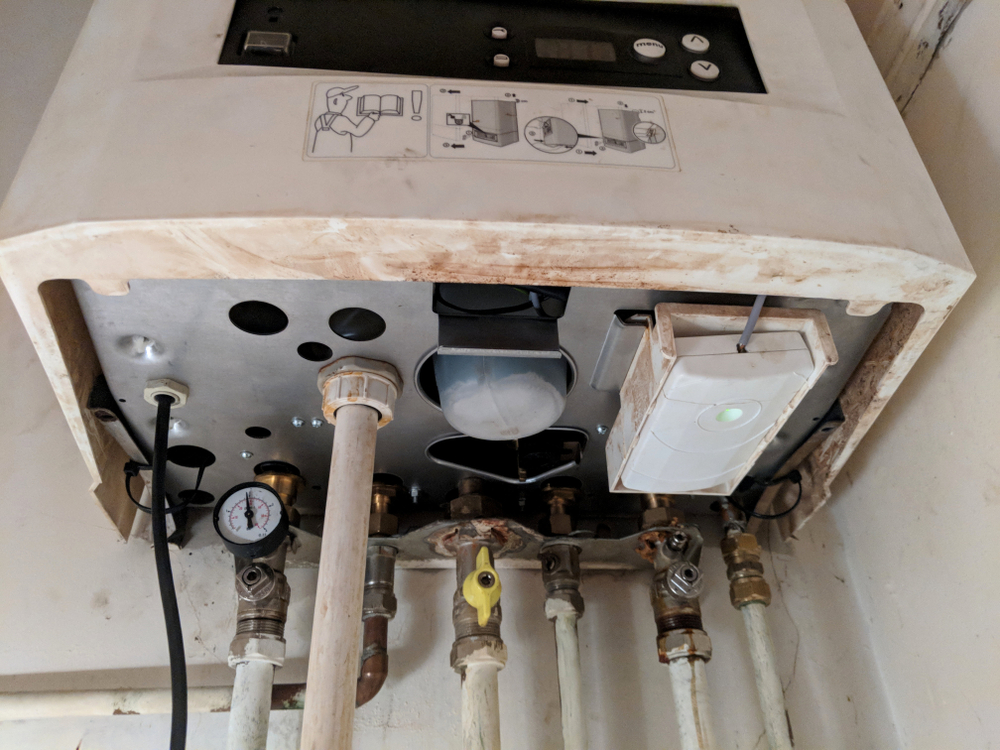
How Old Is Your Boiler?
Age is usually the first thing an engineer will ask about. Most boilers last around 10 to 15 years. The older they get, the more likely they are to keep breaking down.
- Under 7 years old: Usually worth repairing, especially if it’s been well maintained
- 7 to 12 years old: Depends on the fault and the cost, but repair often still makes sense
- 12 years or older: Replacement is usually the better call, even if the current fault is minor
If your system is near the end of its life, a boiler repair might only buy you a few more months before something else goes wrong.
What’s the Cost of the Repair?
There’s a 50% rule of thumb the industry uses: if a repair costs more than half the price of a new boiler, replace it.
Some faults are cheap, like faulty thermostats or minor valve issues. But others aren’t. A cracked heat exchanger, for example, points to a much bigger problem and can cost more to fix than a new boiler would.
Ask your engineer for a clear breakdown of the repair cost and compare it properly against a new installation before you decide.
How Often Is It Breaking Down?
One repair is annoying. Repeated repairs usually mean something bigger is going on.
- One-off fault: Often fine to repair, particularly on a newer boiler
- Second breakdown within a year: Worth getting a full assessment rather than another quick fix
- Third breakdown or more: Strongly consider replacement, as the underlying system is likely struggling
If you’re calling an engineer out more than once a year, those costs add up fast. Sometimes faster than a new boiler would’ve cost you.
Low pressure causes a lot of these call-outs, and it’s often something you can fix yourself. We’ve got a guide on how to repressurise a boiler that walks you through it. Worth ruling out before you assume you need a repair.
Is Your Boiler Still Efficient?
Boilers installed before 2005 are usually non-condensing, which means they run at far lower efficiency than modern ones. Even a well-maintained old boiler can waste a lot of energy compared to a new one.
Bills crept up with no obvious reason, and your boiler’s over a decade old? It might not be a fault pushing you towards replacement. It might just be that a newer, more efficient boiler pays for itself over time. The same logic applies to oil systems. If you’re heating your home with oil, take a look at our guide on when it’s time to upgrade your oil boiler.
Are Replacement Parts Still Available?
This is one that catches a lot of homeowners out. As boiler models age, especially discontinued ones, manufacturers stop making spare parts. If your engineer can’t get the part, repair isn’t even on the table. Doesn’t matter what it would’ve cost.
This is worth asking about early, especially if your boiler is an older or less common model.
Is Your Boiler Still Covered by Warranty?
This one goes without saying. If your boiler’s still under warranty, repairs might be covered at little or no cost. Check your paperwork, or ask your installer, before you arrange anything. Unauthorised work can sometimes void the warranty.
And whoever does the work, make sure they’re Gas Safe registered, like our team at AddHeat. You can check the register yourself before any work starts. This only takes a minute, and it’s the only legal way to confirm someone’s actually qualified to work on gas appliances in the UK.
When Should You Definitely Consider Replacing?
There are few situations where replacement is almost always right, regardless of your boiler’s age:
- Your engineer identifies a cracked heat exchanger or carbon monoxide risk
- You’ve had three or more breakdowns within 12 months
- The repair cost is close to or exceeds 50% of a new boiler’s price
- Parts for your boiler are no longer available
- Your boiler is over 15 years old and non-condensing
Quick Guide: When To Repair or Replace a Boiler
| Repair if: | Your boiler is relatively young, the fault is minor and inexpensive, and this is a one-off issue |
| Replace if: | Your boiler is old, breakdowns are becoming frequent, the repair cost is high, or efficiency has clearly dropped |
| Get a second opinion if: | You’re unsure, particularly if a large repair cost has been quoted |
Whichever way you go, staying on top of annual boiler maintenance is one of the best ways to catch problems early and get the most out of whatever boiler you end up with.
Not Sure Which Way to Go?
If you’re weighing up a repair against a replacement, get a professional opinion before you commit either way. Our Gas Safe registered engineers can assess your boiler, talk you through the options honestly, and recommend whichever route makes sense for your home and budget. Get in touch to arrange a new boiler installation quote or a repair callout.