Annual Boiler Maintenance Checklist for UK Homeowners
Annual boiler maintenance is one of the simplest ways to keep your heating system safe, efficient and reliable. Homeowners can carry out straightforward maintenance checks themselves (and we’ll walk you through them in this guide), but it’s still important to book a regular boiler service with a qualified technician to ensure everything is operating safely and correctly.
According to the Energy Saving Trust, heating makes up around 55% of a UK household’s energy bill – so keeping your boiler efficient isn’t just good practice, it’s one of the most effective ways to lower your bills.
Whether you’re looking to save money or simply want peace of mind, this guide explains what an annual boiler service includes, why it matters, and the practical maintenance tasks you can complete at home.
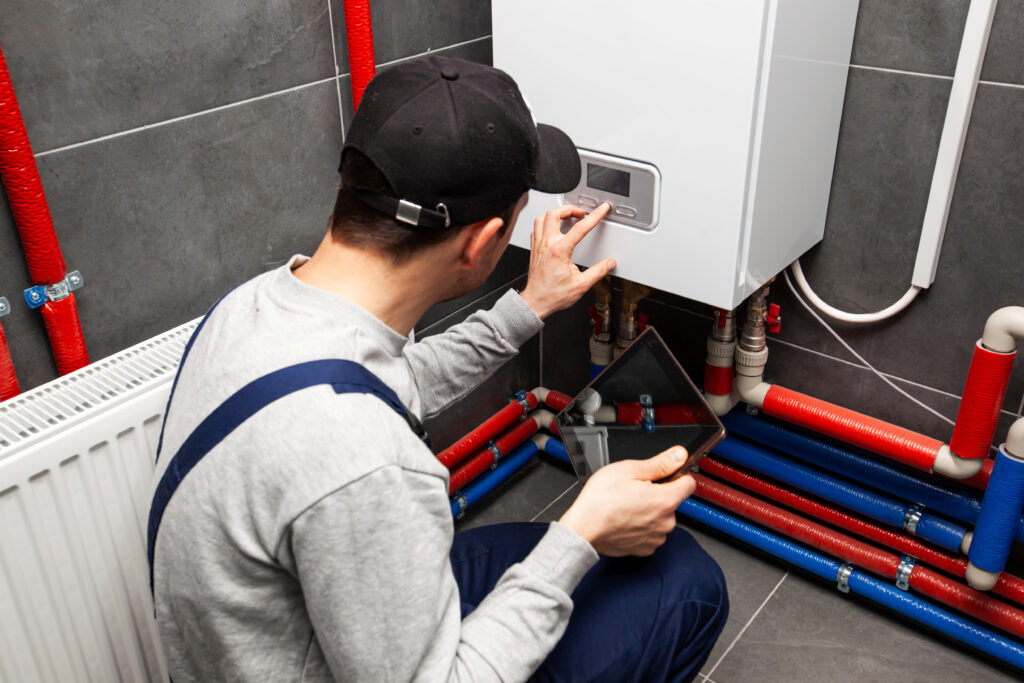
What does annual boiler service include?
An annual boiler service is different from simple maintenance checks you can do at home. Home maintenance helps your boiler run efficiently and can highlight early signs of an issue, but it does not replace a professional service.
A Gas Safe or OFTEC registered engineer should carry out your boiler service once every 12 months. During the appointment, they will
- Visually inspect the boiler and flue
- Check gas pressure and flow
- Clean internal components
- Test safety devices and combustion
- Look for leaks, corrosion or worn parts
- Ensure the boiler is operating efficiently
- Provide a service report and recommendations
How much does an annual boiler service cost?
In the UK, a standard boiler service typically costs between
- £70–£120 for a gas boiler
- £100–£180 for an oil boiler
Costs can vary depending on the type of boiler you have, where you live and any additional checks required (such as system flush recommendations).
Is an annual boiler service necessary?
Yes, an annual boiler service is recommended because:
- It keeps your home safe. A service ensures combustion is correct and checks for carbon monoxide risks
- It keeps your boiler warranty valid. Nearly all boiler manufacturers require annual servicing to keep the warranty active.
- It reduces the risk of breakdowns. Catching small issues early is cheaper than repairing full failures.
- It helps you run your heating efficiently. A serviced boiler uses less energy and reduces bills.
While an engineer should always handle the official service, homeowners can still carry out simple maintenance checks throughout the year. These don’t replace a service but help keep your boiler running smoothly and spot issues early. Maintenance checks can also be a handy way to pass information on to your service technician.
Your Annual Boiler Maintenance Checklist
Here are 10 steps to follow this year to keep your boiler safe and running efficiently. Some of these checks you can do yourself, while others may require the help of a professional.
1. Check your boiler pressure
Most boilers should sit between 1.0 and 1.5 bar when cold.
- Low pressure = poor heating performance.
- High pressure = unnecessary strain on the system.
You can repressurise your boiler using our step-by-step guide. If the pressure keeps dropping, it may indicate a leak that requires an engineer visit.
2. Bleed your radiators
If your radiators have cold spots, trapped air is stopping hot water from circulating properly. Bleeding them helps your heating warm up more evenly, improving efficiency and reducing strain on your boiler.
The good news is bleeding a radiator is a quick, simple job you can do at home. Learn how to bleed a radiator properly in our guide.
3. Check and adjust your boiler flow temperature
Lowering your boiler’s flow temperature is one of the simplest ways to improve efficiency, especially if you have a modern condensing boiler. It helps your boiler run in its most efficient mode, which can reduce energy use and save money over the year.
If you’d like to try this at home, we’ve put together a quick guide that shows you how to adjust your flow temperature safely (and potentially save up to £300 a year)
4. Test your thermostat and heating controls
Another simple maintenance task is checking your thermostat and heating controls. Make sure the thermostat responds when you adjust the temperature, your schedules are accurate and any smart thermostats are correctly calibrated. Your heating should come on exactly when expected.
If your controls aren’t working as they should, your boiler may run longer than necessary. This can waste energy and increase your bills, so it might be time to upgrade your thermostat..
5. Inspect regularly for visible signs of wear
Without opening the boiler, have a quick look and listen for anything unusual.
- Check for drips, leaks or signs of corrosion.
- Look for soot marks around the boiler or flue.
- Pay attention to any strange noises such as kettling, banging or gurgling.
- Take note of any error codes on the display.
If you spot any of these, it’s best to call a professional, as they’re often early signs that something needs attention.
6. Clear the space around your boiler
Make sure the area around your boiler is tidy and well-ventilated. Avoid storing boxes, coats or cleaning products in the cupboard and keep the space dry, clean and easy for an engineer to access. It’s also worth checking the outdoor flue terminal to ensure it isn’t blocked by plants, leaves or debris.
7. Test your carbon monoxide alarm
Every UK home with gas appliances should have a carbon monoxide alarm, and testing it regularly is a key part of boiler maintenance.
- Press the test button to make sure it’s working
- Replace the batteries each year
- Swap out the alarm unit itself every 5-7 years (or as recommended by your manufacturer)
8. Review your energy bills for unusual increases
Take a moment to look over your energy bills and compare them with previous months or years. A sudden rise in costs (especially if your usage habits haven’t changed) can be a sign that your boiler is struggling to heat your home properly – and it might be time to call a technician.
9. Consider a chemical flush or powerflush
Do your radiators have cold spots, or do you notice brown, sludgy water when bleeding them? This often means sludge has built up inside your heating system. A chemical flush (or powerflush) can be carried out by a professional engineer to remove debris, improve circulation and get your boiler running more efficiently.
10. Book your annual boiler service
This is the most important item on your checklist. An annual service keeps your boiler safe, efficient and compliant with warranty requirements.
Book Your Annual Boiler Service with AddHeat
At AddHeat, our Gas Safe registered engineers carry out thorough, reliable annual boiler servicing for homeowners across the North West. Contact us to book your boiler service.
We offer:
- Fixed, transparent pricing
- Reliable engineers that are either Gas Safe or OFTEC registered
- Full service reports
- Honest advice if repairs or upgrades are needed
- Support with heating efficiency and running costs
FAQs
How long does an annual boiler service take?
Around 30-60 minutes, depending on the type of boiler you have and how accessible it is. For example, boilers in your attic may take a little longer to service
Do I need to service a new boiler?
Yes, even brand-new boilers require annual servicing to keep the manufacturer warranty valid.
Can I service my own boiler?
No. Only a Gas Safe registered engineer can legally and safely service a boiler in the UK.