Is It Cheaper to Leave the Heating On All Day?
It’s the argument that comes round every winter. One of you swears the heating should stay on low all day, the other is hovering over the thermostat, convinced every hour it’s on is money down the drain.
With gas prices on the rise, it’s understandably an important topic for many households. So let’s settle the debate.
For most homes, it isn’t cheaper to leave the heating on all day. There are a few exceptions, though, and we’ll go through them below.
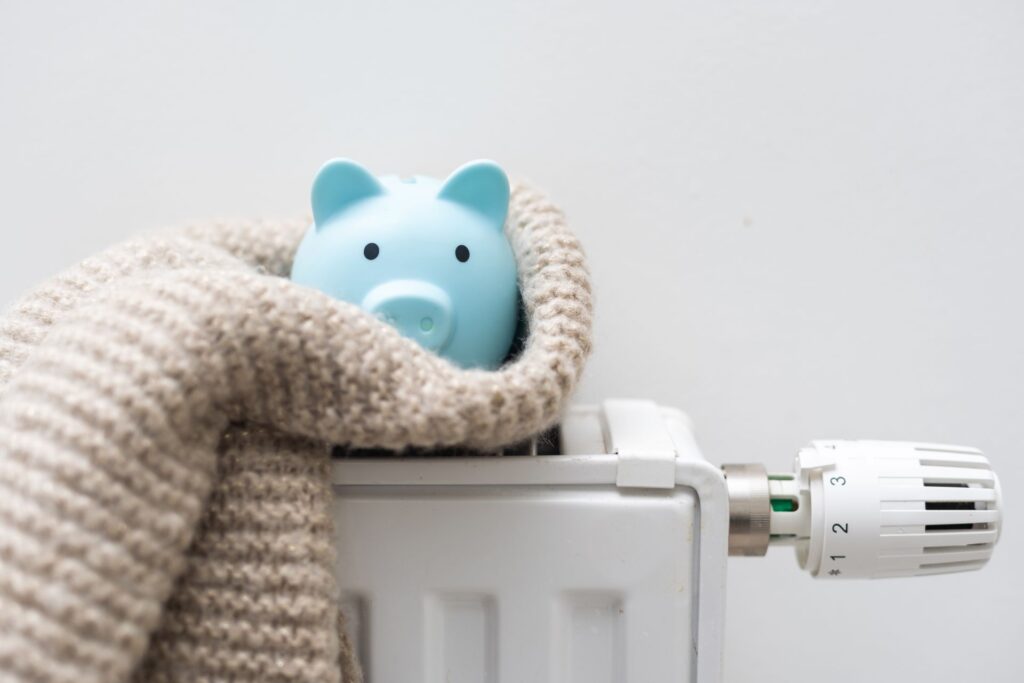
Why Isn’t It Cheaper to Leave the Heating On All Day?
Your home is always losing heat, through the walls, windows, roof and every little gap or crack. The warmer it is inside compared with outside, the faster that heat escapes. So keeping the house warm all day means paying to heat a house that’s leaking, even when nobody’s home.
It does depend on the house, though. Richard, quoted by Martin Lewis’ MoneySavingExpert, says it comes down to whether you have a “heavyweight house with a lot of thermal mass” or a lightweight one.
Thermal mass describes how much heat a building’s materials can absorb and store. Older homes with solid brick or stone walls tend to hold heat for longer and cool down more slowly. New-build homes often use lighter construction materials and more modern insulation techniques, which can change how quickly they warm up and lose heat.
That’s why there’s no perfect rule. But for most homes, the Energy Saving Trust’s advice is to:
- Heat your home only when you need it
- Set the heating to come on half an hour before you wake up and go off half an hour before bed.
Doesn’t It Cost More to Reheat a Cold House?
It might seem counterintuitive, but a cooler home loses heat more slowly. So, over a full day, you’ll usually save more by keeping the heating off when you don’t need it than you’ll spend warming the house back up.
Of course, this doesn’t take comfort into account. Saving money shouldn’t mean sitting in a freezing house. It’s important to keep your home at a comfortable temperature when you can afford to do so.
When Is It Worth Leaving the Heating On?
There are a few situations where keeping your heating on at a low, steady temperature can make sense:
- You have a heat pump. Heat pumps work more efficiently when they run continuously at a low, steady temperature rather than switching on and off throughout the day. Find out more in our complete guide to heat pumps.
- Your home suffers from damp or condensation. Keeping your home warm helps prevent cold surfaces from attracting moisture, which can reduce condensation and the risk of mould.
- You’re at home all day. If you’re using your home throughout the day, keeping it comfortably warm may make more sense than repeatedly switching the heating on and off.
How Should I Set My Heating?
Here are a few simple adjustments that can help you keep your home warm without wasting energy:
- Set your thermostat between 18°C and 21°C. This should keep your home comfortable without overheating it.
- Use your heating timer. Set the heating to come on before you get up and switch off before you go to bed.
- Turn down radiators in unused rooms. Use thermostatic radiator valves (TRVs) to reduce the heat in rooms you don’t use regularly.
- Avoid turning the thermostat right up. Setting it to 25°C won’t heat your home any faster. It will just make your boiler work for longer to reach a higher temperature.
Can a Smart Thermostat Help?
A smart thermostat can help you manage your heating more efficiently and avoid wasting energy. After all, your plans don’t always follow a fixed routine. You might work late, go away for the weekend or decide to stay in when you’re feeling unwell.
A smart thermostat lets you adjust your heating from your phone, wherever you are, so you don’t waste money heating an empty home.
We install Nest thermostats to help homeowners get more control over their heating. Read our smart thermostat guide for a closer look at the benefits and drawbacks.
It’s worth remembering that a smart thermostat can’t solve every heating problem. It won’t stop heat escaping through poorly insulated walls or windows, or fix an inefficient boiler. It’s one part of making your home more energy efficient.
Want to Make Your Home More Efficient?
If your energy bills keep creeping up or your home never feels quite warm enough, changing your heating settings might not be enough. Draughts, poor insulation and an ageing boiler can all affect how efficiently your home heats up.
At AddHeat, we can assess your heating system, identify where you could make improvements and recommend changes that are worth the investment. Explore our heating services or get in touch for a no-obligation chat about your home.