How You Can Save £300 a Year by Optimising Your Boiler Flow Temperature
Many homeowners assume big energy savings require major investments, but small tweaks to your boiler temperature settings can cut bills by up to £300 a year.
Here’s a breakdown of everything you need to know about optimising your boiler flow temperature, including the temperature you should set it at and how much you could save.
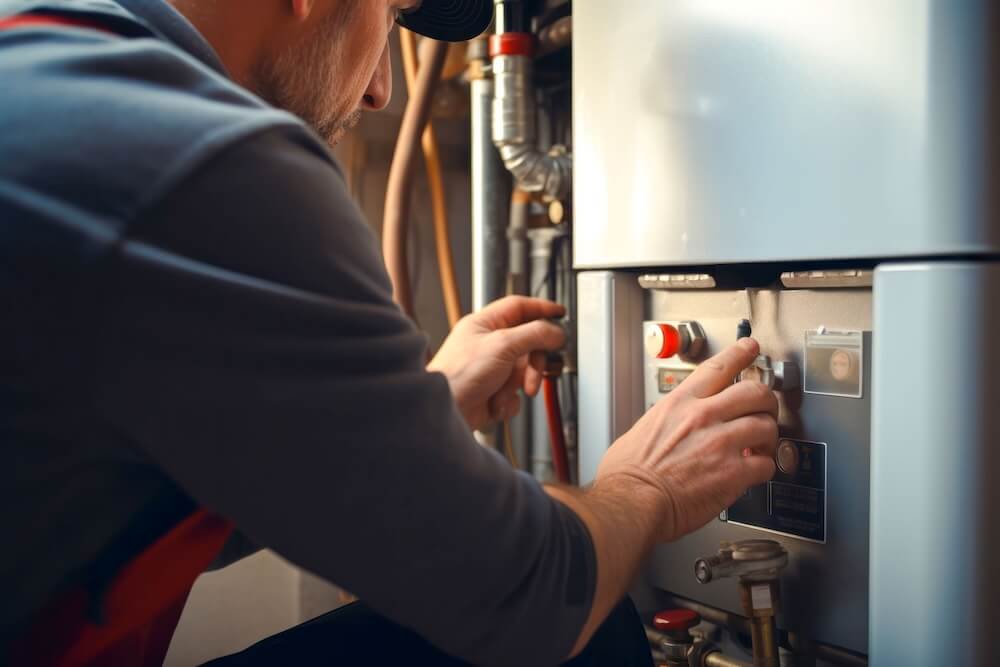
What Is Boiler Flow Temperature?
Your boiler flow temperature is the heat level of the water sent from the boiler to your radiators. If you set this too high, your boiler wastes energy instead of recovering it.
Many boilers are factory-set at 70/80°C for flow, but research by Nesta shows that these default flow settings often prevent peak performance.
The Energy Saving Trust estimates that switching a G-rated boiler to an A-rated one, with full controls, can save you around £420 per year. However, getting a new boiler is sometimes an expensive and unnecessary step to improving your heating system.
In fact, Energy Saving Trust also reported that lowering your boiler flow temperature to 60°C can improve efficiency by about 4% – lowering your energy use and bills. This is because your boiler uses less gas to produce the same amount of heat even though the temperature is turned down.
So, What Flow Temperature Should You Use?
The key to getting it right is balancing efficiency with comfort and heater performance. Here’s a quick breakdown:
| Boiler Type | Suggested Flow Setting | Why It Works |
| Combi boiler | 55 – 60°C | Most homes in the UK heat well at this level.
During summer, this can also be reduced to 50°C. |
| System or regular boiler | 60 – 65°C | Helps to keep the hot water supply stable. |
We recommend that you don’t go below 50°C for central heating. Your rooms may take too long to warm if the external temperature is low too.
Modern building regulations also place limits on flow temperatures when designing new systems. Many new build homes now have a maximum flow of 55°C for efficiency.
How You Adjust Flow Temperature (Step by Step)
You can control flow temperature via your boiler’s heating dial or settings menu. Follow this process to get started:
- Locate the heating dial (often with a radiator icon).
- Note the current setting (likely around 70–80°C).
- Turn it down to 60°C
- Wait a few hours to see how your home begins to feel.
- If each room feels comfortable enough, try lowering to 55°C.
- If your rooms start to feel cold, raise the temperature by 2-3°C increments until comfortable again.
Always refer to your boiler’s user manual. If you’re unsure, have an engineer do it for you.
Don’t forget to set your hot water temperature separately if you don’t have a combi boiler.
How Much Will You Save?
Any savings depend on your current settings, insulation, home size and usage habits. But here’s a realistic estimate:
- Flow set to just 60°C improves boiler efficiency by around 4% on average.
- Let’s imagine your annual heating bill is £1,500. You could save around £60 each year.
- However, many homeowners combine this easy tweak with upgraded thermostats, thermostatic radiator valves (TRVs) and boiler controls, which can bring additional savings of around £110 per year (Energy Saving Trust).
- If your boiler flow temperature was set very high beforehand, you might even reach savings around £200-£300.
Other Steps To Keep Your Heating System Efficient
Optimising your boiler flow temperature is a great place to start, but there are a few other steps to take to keep things running efficiently:
- Fit a room thermostat and thermostatic radiator valves (TRVs). This allows you to control each room so you don’t heat unused areas.
- Bleed radiators regularly. When there is air in the system, your radiators can’t heat up as well. Find out how to bleed a radiator properly.
- Insulate pipework and hot water cylinders (if you have one).
- Service your boiler every year. Book your annual service with one of our Gas Safe engineers.
Key Takeaways
Lowering your flow temperature to 60°C (and testing 55°C) helps your system stay in condensing mode longer. This reduces gas use and cuts your bills. Add smart controls, radiator balancing and good maintenance, and you can save £200-£300 a year.
If you’d like help adjusting your boiler, upgrading controls, or planning a system audit, contact us at Add Heat. We can help you make your heating smarter, not more expensive.
FAQs
What happens if I lower the flow temperature too much?
You’ll notice your home heats slowly (or not at all) if the temperature is set too low. Avoid setting below 50°C for the best results.
Will my boiler still produce hot water?
Absolutely. 50°C is a recommended temperature for producing hot water. If you have a combi boiler this will be set automatically with your heating. If not, you can set this yourself. We recommend starting at around 50-55°C for safety.
How often should I review my boiler settings?
We recommend you check your boiler settings seasonally, as lower temperatures can be used during the warmer months. Set temperatures higher during very cold spells.
When should I call a professional?
It might be time to call a professional if:
- Your boiler is old and in need of a service
- Your boiler is making strange noises
- Your temperatures are set correctly but rooms are not heating
- You don’t know how to change the settings yourself